Insurance Verification Before Buying a Used Car: What to Check on VAHAN and Why It Matters
20 July, 2026
Car Insurance
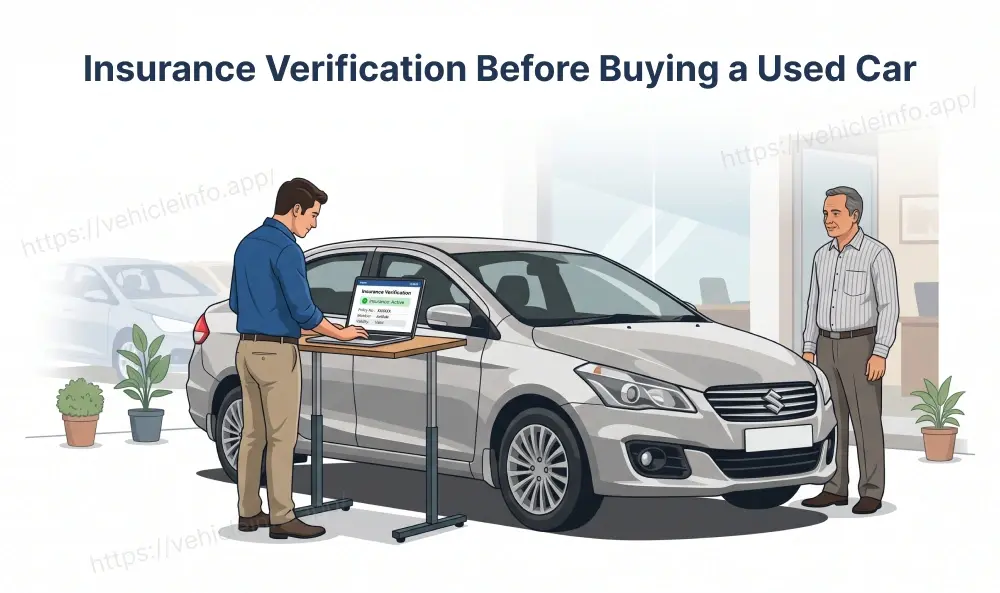
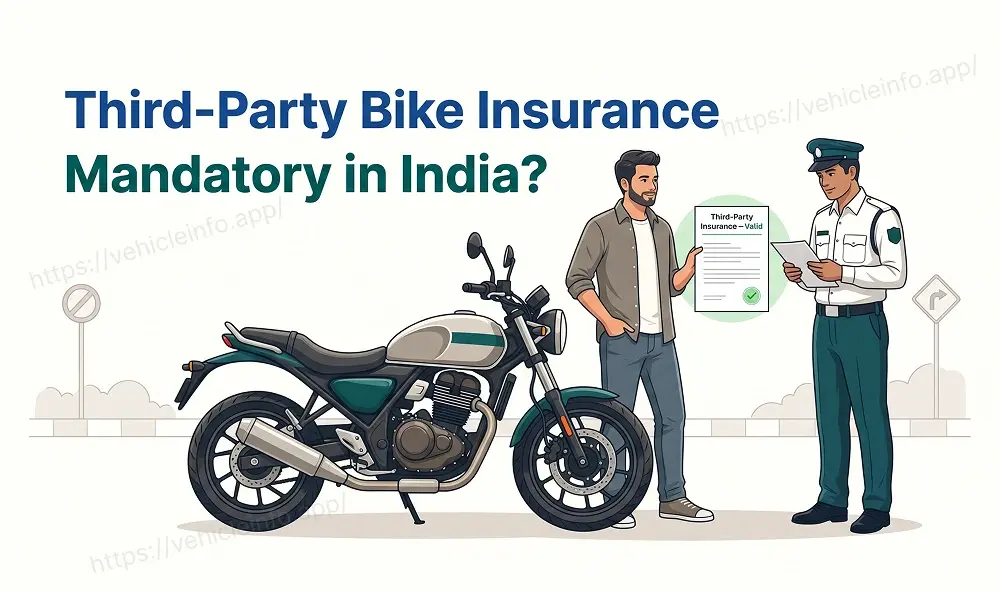
Buying a used car is as much a legal transaction as it is a financial one, and insurance sits right at the centre of that legal journey. Before you hand over payment, a proper check of insurance can protect you from inheriting someone else's compliance problems, pending violations, or a policy that was never actually valid in the first place. This guide focuses on insurance verification that used car buyers in India genuinely need, including why it matters and what can go wrong if you skip it. Read on to know every crucial detail about insurance verification before buying a used car in India.
Why Insurance Status Matters When Buying a Used Car
When you buy a used car, you are not just buying metal and an engine. You are also stepping into a set of legal obligations tied to that specific registration number. If the car's insurance is expired, mismatched, or was never properly transferred by a previous owner, that history does not disappear just because you now hold the keys.
Insurance verification used car India buyers should treat as standard practice exists precisely because problems here rarely announce themselves. A seller can genuinely believe their car is properly insured while the underlying record tells a different story, particularly if a previous transfer was never completed correctly or a policy lapsed without the seller noticing. This is exactly why a proper check insurance before buying a used car matters more than most buyers assume going in.
What VAHAN Shows About a Used Car's Insurance
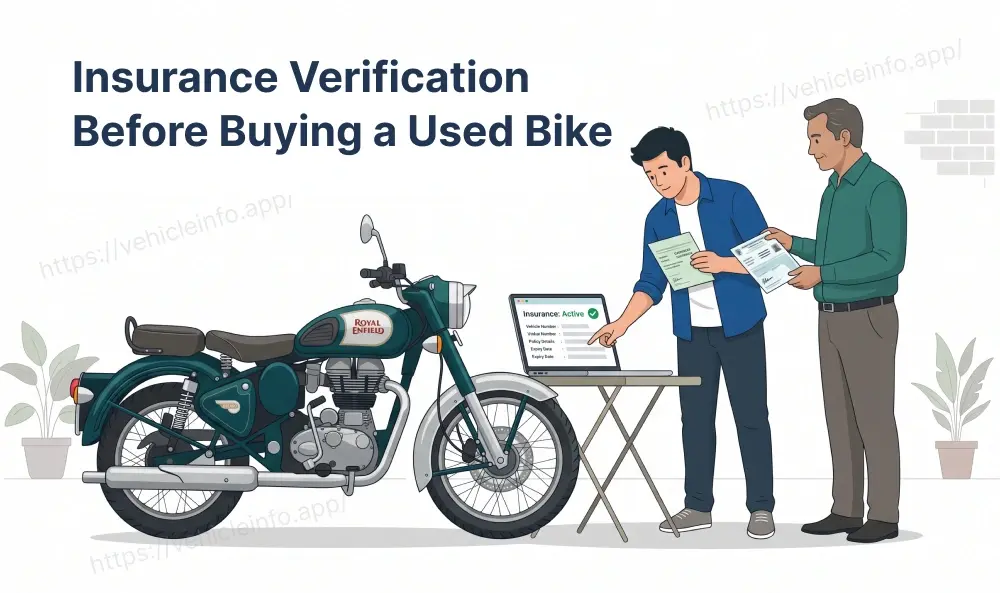
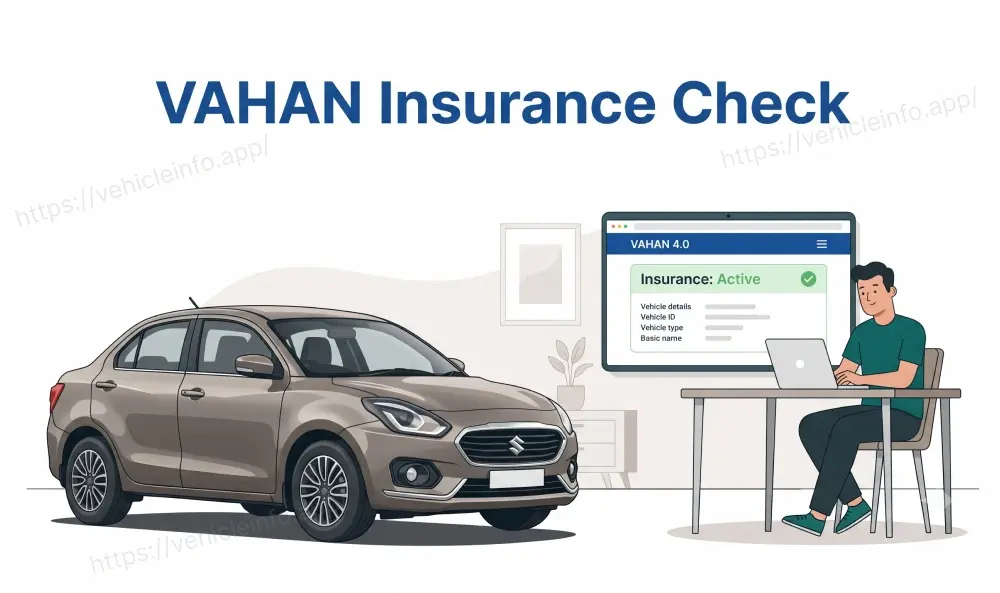
A VAHAN insurance check that used car buyers can run for free shows the current insurer's name and the policy's validity dates tied to a particular registration number. Since insurers report this data directly to VAHAN, it reflects the real underlying record rather than whatever the seller happens to tell you verbally.
However, knowing what the record does not show you is equally important to understand. VAHAN does not display the premium paid, the sum insured, or whether the policy is comprehensive or third-party only. It will also not tell you whether the policy is actually still in the previous owner's name or has already been informally handed over without a proper RTO transfer, which is a distinction that matters a great deal legally, even though the insurance itself might show as active.
How to Check Used Car Insurance on VAHAN: Complete Process
Running a used car insurance status check takes a few minutes, and this is the core mechanic behind any VAHAN insurance check used car buyers rely on:
- Go to the VAHAN citizen services portal or open the mParivahan app
- Enter the car's registration number exactly as shown on the RC
- Complete the CAPTCHA if using the website
- Review the insurance section of the result, noting the insurer's name and validity dates
Treat this as a starting point rather than the final word. A clean result confirms basic compliance, but the legal questions around ownership and transfer history still need separate attention, which is really the deeper purpose of this guide.
What 'No Insurance Record' Means for a Used Car
A blank or missing insurance result is not automatically a dealbreaker, but it deserves a direct conversation with the seller before you proceed. It can mean the policy has genuinely lapsed, that the car is older and was insured before certain insurers fully digitised their records, or simply that a very recent renewal has not yet synced to the central database.
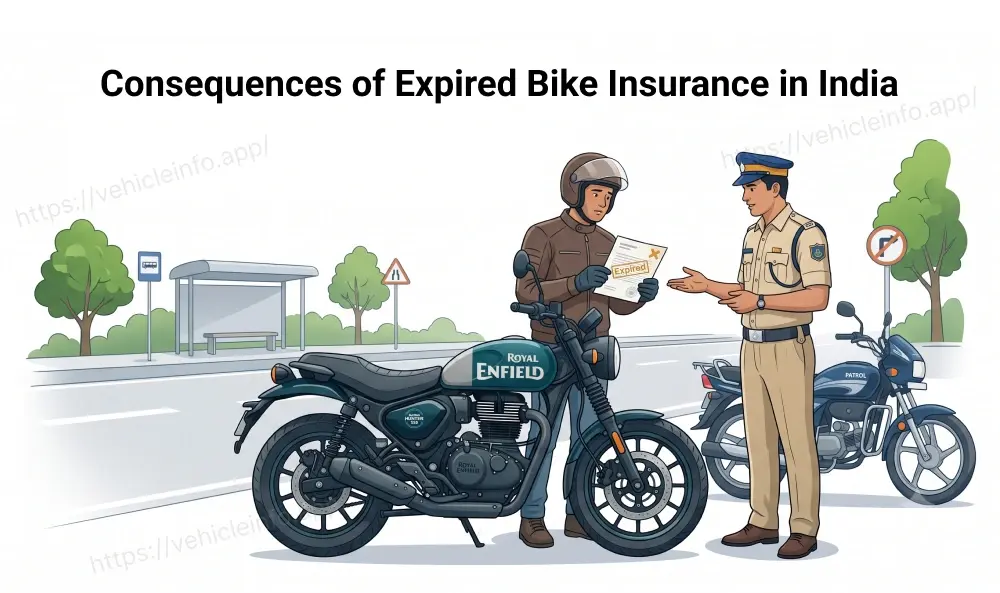
The legal risk here is straightforward: if you complete the purchase and drive the car away without confirming valid insurance exists, you are doing so uninsured, which is a punishable offence under Section 196 of the Motor Vehicles Act regardless of whether the previous owner's lapse was intentional or accidental.
Checking for Pending Challans and Insurance Violations
Beyond the insurance status itself, it is worth checking whether the vehicle carries any pending challans, including ones issued for a prior lapse in insurance. Outstanding challans tied to a registration number do not automatically clear when ownership changes, and in several states, unresolved dues can complicate the RC transfer process itself, effectively becoming your problem the moment you take over the vehicle.
This check can be done through the Parivahan e-challan portal or state traffic police websites using the registration number, alongside your VAHAN insurance search, giving you a fuller compliance picture before you commit to the purchase.
RC and Insurance Name Match: Why It Must Align
Insurance policies are legally tied to the person named on them, and IRDAI requires that the name match the registered owner on the RC. If a used car has changed hands informally before, meaning a previous buyer paid for and drove the car without ever completing RC and insurance transfer used car procedures, you may be looking at a vehicle where the current seller is not even the legally recognised owner.
This is a bigger problem than it might first appear. If the person selling you the car is not the RC's registered owner, any sale agreement you sign with them sits on shaky legal ground, and you could face significant difficulty registering the car in your own name later, since the RTO's chain of ownership needs to be unbroken from one registered owner to the next.
What Happens If You Buy a Car with Lapsed Insurance
If you go ahead with a purchase despite lapsed insurance, you inherit both a legal exposure and a financial one. Legally, driving the car home without valid cover is itself a violation. Financially, if any accident happens during that window, before you arrange your own policy, there is no insurer standing behind either you or the vehicle, meaning you personally absorb any resulting liability.
The safer sequence is to insist that insurance is either current at the time of sale or to arrange your own fresh policy before taking physical possession and driving the car anywhere, even for the short trip home.
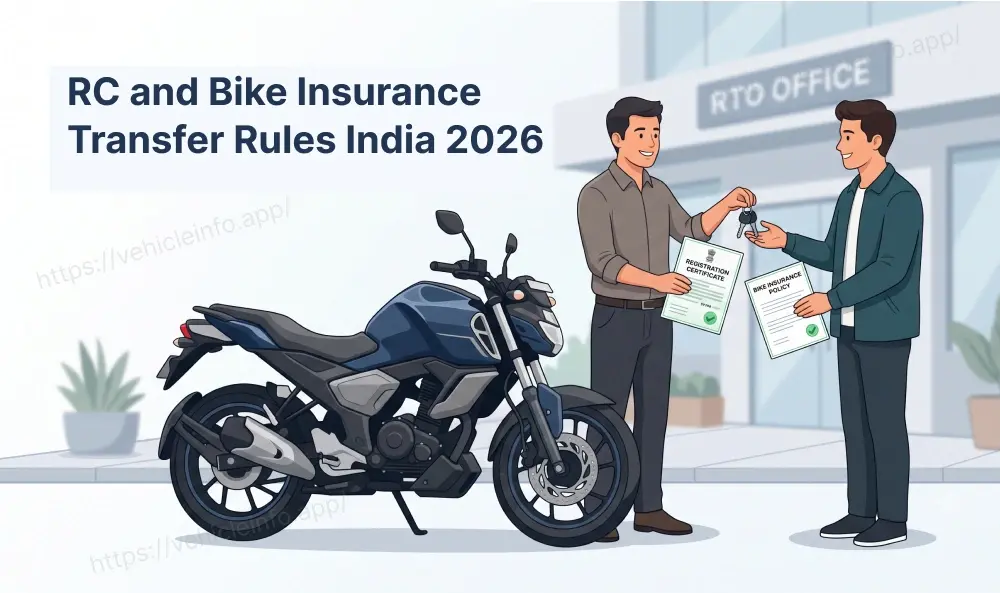
Insurance Transfer: Your Legal Obligation as a New Owner
Once you buy the car, Section 157 of the Motor Vehicles Act gives you a 14-day window during which the previous owner's third-party cover is deemed to automatically extend to you. This is a grace period, not a long-term solution. Within that window, you are expected to either have the existing policy formally endorsed in your name or take out a fresh policy entirely.
Many buyers find it simpler to purchase a new policy outright rather than working through an endorsement, particularly since this also lets you choose your own insurer and cover level rather than being tied to whatever the previous owner had in place. Either way, letting this window pass without action leaves you technically uninsured in your own right, regardless of what existed under the previous owner's name.
Mandatory Steps Before Completing the Used Car Deal
Pulling all of this together, here is a practical sequence before you finalise a used car purchase, and it is really the complete version of how to check insurance before buying used car the right way:
- Run a used car insurance check to confirm the current insurance status and the insurer
- Check for pending challans tied to the registration number
- Confirm the seller is the actual registered owner shown on the RC, not an unofficial subsequent buyer
- Ask directly whether any previous ownership transfer was completed at the RTO
- Plan your own insurance, whether through endorsement or a fresh policy, to be in place within 14 days of the sale
Following this sequence turns insurance verification from a quick box-ticking exercise into what it should really be: a genuine check against inheriting someone else's unresolved legal and financial exposure.
FAQs
1. How to check car insurance before buying used car in India?
Ans: Search the car's registration number on the VAHAN portal or the mParivahan app. The result shows the insurer's name and the policy's validity dates, giving you a quick compliance snapshot before you commit to the purchase.
2. Should I verify insurance on VAHAN before a used car purchase even if the seller shows me a physical policy document?
Ans: Yes. A physical document can be outdated or belong to a policy that has since lapsed. A VAHAN check confirms the current, insurer-reported status rather than relying solely on what the seller shows you.
3. What does VAHAN insurance show for used cars specifically?
Ans: The current insurer's name and the policy's validity window. It does not show premium details, sum insured, or whether a previous ownership transfer was properly completed at the RTO.
4. Is it illegal to drive a used car home if its insurance has lapsed?
Ans: Yes. Driving without valid insurance is a punishable offence under Section 196 of the Motor Vehicles Act, regardless of whether you are the original owner or just bought the car.
5. What if the used car I want to buy shows no insurance record at all on VAHAN?
Ans: Ask the seller directly for an explanation and proof of a recent renewal if one exists. If the car is genuinely uninsured, arrange your own policy before taking possession of the vehicle.
6. Do I need to check challans in addition to insurance before buying a used car?
Ans: Yes. Pending challans tied to a registration number can complicate the RC transfer process and effectively become your responsibility once you take ownership.
7. What happens if the seller of a used car is not the RC's registered owner?
Ans: This suggests a previous ownership transfer was never completed. Proceeding with the purchase in this situation carries real legal risk, since the RTO's chain of ownership needs to be unbroken to register the car in your name.
8. How long do I have to transfer insurance into my own name after buying a used car?
Ans: Fourteen days from the date of sale, under Section 157 of the Motor Vehicles Act. Within that period, the previous owner's third-party cover is deemed to extend to you automatically.
9. Can I just keep driving on the previous owner's insurance policy indefinitely?
Ans: No. Beyond the 14-day window, you need either a formal endorsement transferring the policy to your name or a fresh policy of your own, or you are effectively driving uninsured.