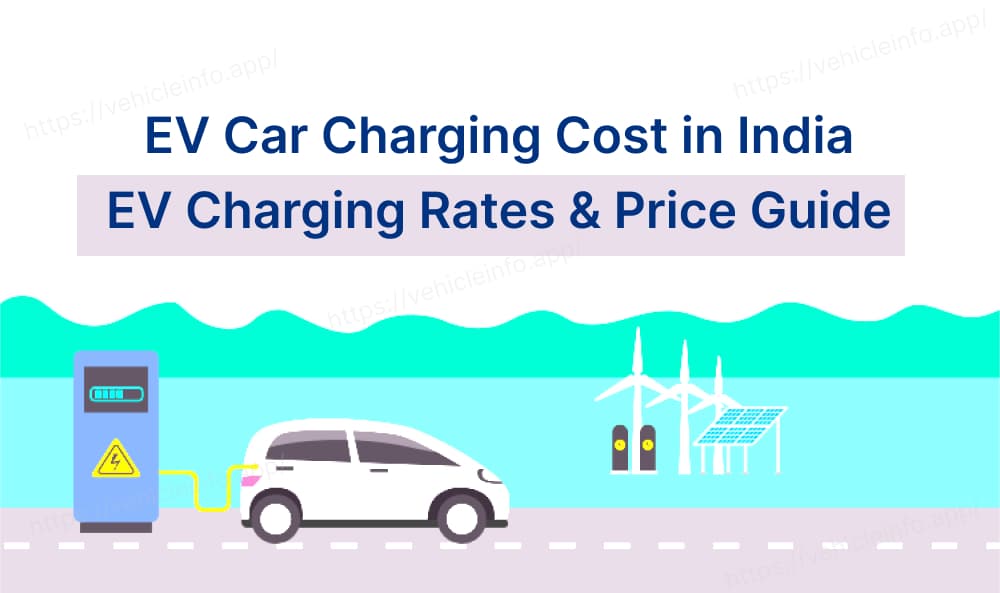
EV Car Charging Cost in India | EV Charging Rates & Price Guide
25 November, 2025
Switching to an EV car (Electric Vehicle) is one of the smartest decisions in today,s world of rising petrol and diesel prices. But before making the switch, one common question buyers ask is — What is the EV car charging cost in India? With modern EV tech, charging at home, offices, and public stations has become much more convenient and affordable. If you,re planning to buy an EV, understanding the electric car charging price, charging types, and charging station cost is essential.
How to Charge an EV Car in India?
EV cars can be charged in three different ways — at home, at workplaces, or at public charging stations. Each option has different battery charging cost and time.
1. Home Charging
Home charging is the most common and convenient method. You can use:
- A Type 1 AC charger plugged into a standard home socket
- A manufacturer-installed wall box or Type 2 charger for faster charging
Home charging is ideal for overnight charging and provides the lowest EV charging rates due to domestic electricity tariffs. If you,re wondering how much does electric car charger cost for home installation, it can range between ₹15,000 to ₹60,000 depending on charger type and capacity.

2. Charging at Public Stations
Public EV charging stations are now available in malls, supermarkets, office complexes, metro stations, and highways. Most stations offer 7 kW to 50 kW chargers, giving you 30–80 kmpH range. Public EV charging price depends on location, charger type, and charging speed.
Some stations require mobile app registration, while others offer simple plug-and-charge convenience.
3. Workplace Charging
Many companies now provide EV charging facilities for employees. These charging points usually support Type 2 sockets. Charging is activated via swipe card or app. Charging your EV car at work is both convenient and time-saving.
Also Read: Top Electric Car Manufacturers in India
EV Car Charging Cost in India
The electric car charging price depends on battery size, location, and charging station cost. Most EVs in India have a battery capacity between 20 kWh and 40 kWh.
Average EV Charging Rates in India:
| Charging Method | Approximate EV Charging Cost |
|---|---|
| Home Charging | ₹180 to ₹500 |
| Public Charging Station | ₹100 to ₹200 |
| Fast DC Charging (Commercial) | ₹250 to ₹800 |
Public EV charging cost per unit in Delhi is around ₹4 per kWh, while home electricity rates range from ₹8 to ₹10 per unit based on state tariff.
Types of EV Chargers in India
Understanding charger types helps estimate your vehicle charge time and cost.
1. Rapid Chargers (Fastest)
- Uses DC power, charges 0–80% in just 20–60 minutes
- Ideal for long-distance travel
- Higher ev charging price due to fast charging technology
- Best for public stations and highways
2. Fast Chargers
- Operate on AC
- 7 kW charger takes 4–6 hours for full charge
- 22 kW charger can fully charge 40 kWh battery in 1–2 hours
- Often installed at homes, offices, and public parking areas
- Moderate car charging price and time
3. Regular Chargers
- Common for home charging
- Charging speed: 3 kW to 6 kW
- Takes 8–12 hours for full vehicle charge
- Lowest battery charging cost
EV Charging Price vs Home Charging Cost
| Feature | Home EV Charging | Public Charging |
|---|---|---|
| EV charging rates | Low (Domestic tariff) | Higher (Commercial) |
| Convenience | High | Moderate |
| Speed | Slow to Medium | Fast to Ultra-fast |
| Best Use | Daily charging | Long trips, emergencies |
| Battery Health | Excellent | Moderate |
Home charging is best for daily EV car use, while public stations are useful for quick top-ups and inter-city travel.
How to Find EV Charging Stations Near You?
Finding EV charging stations is now easy with multiple platforms such as:
- Google Maps: Search “EV charging station near me”
- E-Amrit Govt Portal: Lists public EV stations
- Vehicle Manufacturer Apps: Most EV brands provide charger locators
- Public Places: Malls, metro stations, offices, parking lots
Benefits of Home EV Charging
Charging your EV at home offers several advantages:
- Lowest electric car charging price
- No waiting time or queues
- Better battery health due to AC charging
- Reduced risk of theft or tampering
- Can charge using solar panels to reduce EV charging cost
If you use your EV car daily, installing a home charger is a smart investment.
Why EV Cars Are Cost-Efficient
1. Lower Fuel Costs
Charging an EV is far cheaper than filling petrol or diesel. You can save thousands annually due to lower EV car charging cost.
2. Lower Running Cost
EV cars run on electricity, making vehicle charging cheaper than fossil fuels. With solar charging, the battery charging cost becomes even lower.
3. Lesser Maintenance
EVs have fewer moving parts, which reduces servicing and maintenance costs.
4. Zero Emission
EV cars have zero tailpipe emission, helping reduce pollution and carbon footprint.
5. Tax Benefits
EV owners enjoy lower road tax, registration fees, and state government incentives.
Conclusion
The EV charging cost in India depends on charger type, electricity tariff, and charging location. Whether you choose home charging, workplace charging, or public charging stations, EVs are economically and environmentally beneficial. With proper planning, EV ownership offers long-term savings, lower car charging price, and convenience.
FAQs
1. How often should I charge my EV car?
Ans: Most EVs need charging once every 2–3 days depending on your daily driving range and battery size.
2. How to find EV charging stations near me?
Ans: Use Google Maps, EV apps, or the E-Amrit government portal to locate nearest charging stations.
3. Is it safe to charge an EV car at home?
Ans: Yes, home charging is safe when using certified chargers and proper installation as per manufacturer guidelines.