What does IDV mean in car insurance?
18 June, 2024
What is IDV?
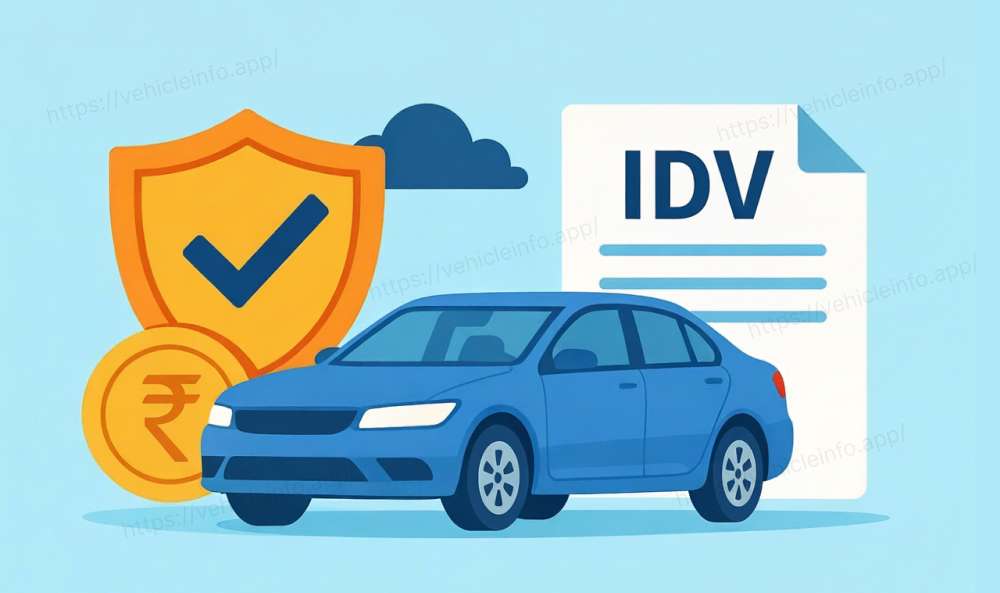
IDV or Insured Declared Value represents the current market value of your car. In the unfortunate event of theft or total damage the insurance provider compensates you with the IDV amount. This value is usually determined by the car insurance provider and is a critical factor in determining your car insurance premium. Factors such as the vehicle's age and the car owner's details influence the premium amount significantly.
How is IDV Calculated?
The formula used to calculate IDV in insurance is as follows:
Without Added Accessories:
IDV = Car’s Selling Price - Depreciation
With Added Accessories:
IDV = (Car’s Selling Price - Depreciation) + (Cost of Accessories not included in listed selling price - Depreciation) excluding registration and insurance costs.
It's important to note that registration and insurance fees are not considered when determining your car’s IDV. Additionally accessories that do not come with the car as standard equipment are excluded. For new cars the IDV is approximately 95% of the manufacturer's ex-showroom price due to a typical initial depreciation of 5%. As the car ages the IDV decreases reflecting the depreciation over time.
Current Depreciation Rates
The India Motor Tariff adjusts your car’s IDV based on market depreciation. The depreciation rates for different age brackets are as follows:
6 months and below: 5%
6 months to 1 year : 15%
1 year to 2 years: 20%
2 years to 3 years: 30%
3 years to 4 years: 40%
4 years to 5 years: 50%
For cars older than five years the IDV is determined by the vehicle's condition model manufacturer and availability of replacement parts. An agreement between you and your insurance provider can help establish the IDV value for older or outdated models.
Importance of IDV
Your car's IDV is crucial for two main reasons. Firstly in case of theft or irreparable damage the IDV represents the maximum compensation you will receive. Secondly the IDV directly affects your insurance premium—the higher the IDV the higher the premium and vice versa. While some drivers might consider lowering their IDV to reduce premiums this can result in less compensation if the car is stolen or completely damaged.
Factors Affecting IDV
1. Type of Car: Different car types (sedans
hatchbacks
SUVs) have different market values.
2. Make & Model: The specific make and model significantly influence the IDV.
3. Age & Depreciation: The car’s value decreases with age and depreciation.
4. Place of Registration: Ex-showroom prices vary by city
affecting the IDV.
5. Accessories: The depreciated cost of added accessories impacts the IDV.
These factors are considered by an IDV calculator to provide a quick estimate of your car’s value.
Choosing the Right IDV
- Lower IDV: Results in a lower premium but also lower compensation in case of total loss.
- Higher IDV: Increases the sum insured and the premium but provides better compensation.
When is IDV Payable?
IDV is crucial during claims for vehicle theft or total loss due to accidents natural disasters or man-made disasters. Setting the appropriate IDV ensures reasonable insurance rates and fair compensation when needed.
Components of Car Insurance IDV
The IDV is calculated based on:
- Registration details
- City of registration
- Registration date
- Registration type
- Make
model
and manufacturer
- Cubic capacity
- Showroom price
Advantages and Disadvantages of High/Low IDV
Advantages:
- Accurate IDV ensures fair compensation at the time of claims.
- Allows for more coverage
especially for luxury or expensive vehicles.
- Helps save on premiums for older or secondhand cars.
Disadvantages:
- Incorrect IDV can lead to less coverage and higher premiums.
- Declaring a higher IDV results in increased premiums.
Accurately determining and declaring your car’s IDV is crucial for optimal coverage and fair premium rates ensuring peace of mind and financial protection in case of significant losses.