How to Transfer Bike Insurance to a New Owner When Selling a Bike
23 June, 2026
When you sell a two-wheeler, the existing insurance policy does not automatically transfer to the buyer. Both parties have responsibilities, and if this step is skipped, the consequences fall disproportionately on the buyer. An untransferred policy can leave the new owner legally uninsured and unable to make a valid claim until they complete the formal bike insurance transfer to their name.
This guide covers why the transfer matters, the step-by-step process for both seller and buyer, the documents needed, what happens when the two-wheeler insurance transfer is completed correctly, and what risks the buyer faces if the seller does not cooperate.
Why Transferring Bike Insurance Matters
A motor insurance policy is issued to a named policyholder (the current owner). When ownership changes, the policy does not automatically update. The endorsement process is necessary to re-associate the policy with the correct owner in the insurer's database.
Two-wheeler insurance transfer is required within 14 days of the date of sale under IRDAI regulations. If the two-wheeler insurance transfer is not completed within this window, the new owner technically has no valid insurance cover even if the policy has not expired: the policy still names the old owner, and a claim under a policy where you are not the named insured is grounds for rejection.
Always check bike insurance status of any used bike you intend to buy through Vehicle Info before completing the transaction. This confirms the current policy details and expiry date.
The mandatory insurance transfer is separate from the RC transfer at the RTO. Both must be done. The insurance transfer can be completed independently of the RC transfer, but both should be completed promptly after a sale.
The Transfer Process: What the Seller Must Do
The seller's primary obligation is to notify the insurer that the vehicle has been sold. Here is the process:
- Inform your insurer about the sale in writing. Most insurers have an online form or a branch process for this. You need to provide the date of sale, the buyer's name, and the buyer's contact details.
- Apply for a No Objection Certificate (NOC) if required. Some insurers issue an NOC confirming the policy is clear of claims for transfer purposes.
- Obtain a transfer certificate from the insurer confirming the policy details, NCB status, and any endorsements.
The seller should also note that NCB does not transfer with the vehicle. NCB belongs to the owner (the seller), not the bike. When the seller buys a new bike, they can use their accumulated NCB on the new vehicle's policy. The buyer starts with zero NCB on the transferred policy unless they have their own NCB from a previous policy.
The Transfer Process: What the Buyer Must Do
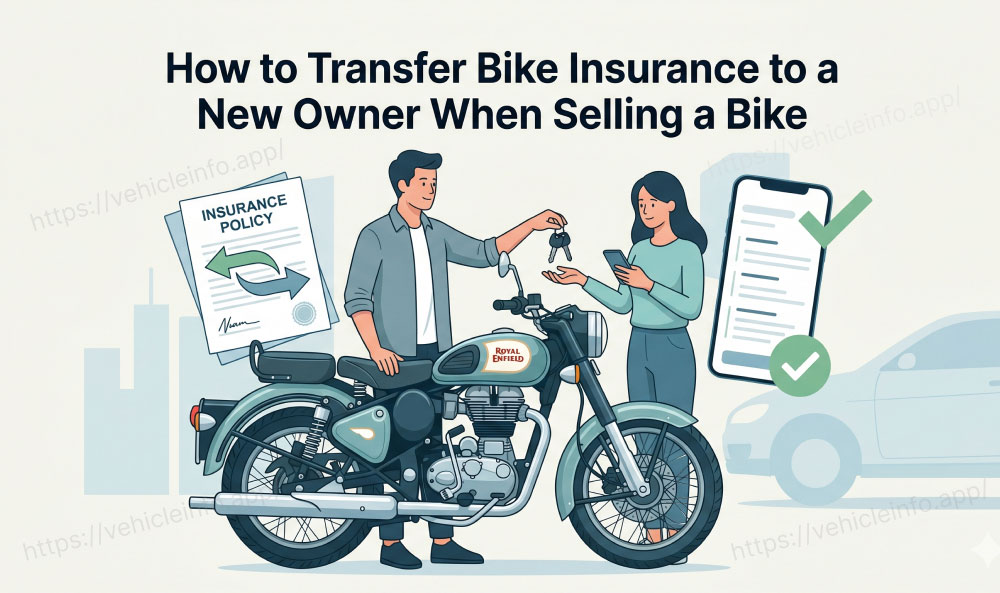
The buyer initiates the formal bike insurance transfer new owner process by contacting the seller's insurer. Here is the step-by-step for how to transfer bike insurance after selling a bike and formalising the new ownership:
- Contact the insurer (or ask the seller to introduce you to their insurer contact). Get the policy number and insurer helpline number from the seller before completing the sale.
- Submit the required bike insurance transfer documents (see full checklist below).
- Complete the insurance endorsement. A bike insurance endorsement is a formal amendment to the policy document that changes the policyholder's name from the seller's to the buyer's name. The bike insurance endorsement is the central step in the transfer process: without it, the policy legally still belongs to the seller.
- Pay the endorsement fee. Most insurers charge a nominal fee (typically Rs 50 to Rs 200) for processing the endorsement.
- Receive the updated policy document with your name as the new policyholder. Download or save a digital copy immediately.
The sell bike & insurance transfer process should be completed before the buyer makes any journeys with the bike. The process of how to transfer bike insurance after selling should ideally begin on the day of the sale, not weeks later when memory and documentation have faded.
Documents Required for Bike Insurance Transfer
The bike insurance transfer documents required are:
From the buyer:
- Application for insurance transfer (insurer's standard form)
- Copy of sale deed or transfer certificate
- Copy of new RC or Form 28/29/30 showing change of ownership
- Aadhaar card or PAN card (identity proof)
- Address proof
- Copy of valid driving licence
From the seller (to be submitted or confirmed with insurer):
- Original insurance policy document
- Intimation of sale letter
- NOC from insurer (if separately issued)
The transfer scooter insurance process uses the same documents regardless of whether the vehicle is a motorcycle or scooter. The insurer's requirement list does not distinguish by vehicle type.
What If the Seller Does Not Transfer the Insurance?
This is the most common problem in used bike transactions in India, and the risk falls entirely on the buyer. If the seller does not complete the transfer or refuses to cooperate:
The buyer's claim risk: Any accident or theft during the untransferred period may result in a claim rejection. The policy names the seller as the insured, and the buyer cannot enforce a policy they are not named on.
The liability risk: If the buyer (new owner) is involved in an accident while the policy still names the seller, the insurer may refuse to pay the third-party claim. In theory, this could also create complications for the seller, whose name is still on the policy.
What if seller doesn't transfer bike insurance? The practical options for the buyer are:
Option 1: Arrange a fresh policy. Buy a new third-party or comprehensive policy in the buyer's name immediately, rather than waiting for the transfer to complete. This creates an active valid policy regardless of what happens with the old one.
Option 2: Pursue the seller. IRDAI regulations require the transfer within 14 days of sale. A buyer can report non-compliance to IRDAI or the insurer, though this is time-consuming.
The most prudent approach for any buyer of a used bike: confirm that the sell bike insurance transfer has been initiated before completing the sale, or arrange your own fresh policy on the day of purchase.
Frequently Asked Questions
1. How do I transfer bike insurance to a new owner?
Ans: To transfer bike insurance, the seller informs the insurer of the sale in writing and applies for a transfer. The buyer contacts the insurer, submits the required documents (identity proof, sale documents, new RC or Form 28/29/30), and pays the endorsement fee. The insurer issues an updated policy with the buyer's name. The entire two-wheeler insurance transfer process typically takes three to seven working days once all documents are submitted correctly.
2. What documents are needed for bike insurance transfer?
Ans: Bike insurance transfer documents required from the buyer include: application form, sale deed or transfer certificate, new RC or Form 28/29/30, identity proof, address proof, and driving licence copy. The seller provides the original policy document and a sale intimation letter. Transfer scooter insurance requires the same documents as a motorcycle transfer. The insurer does not differentiate between vehicle types for the endorsement process.
3. What if the seller refuses to transfer the bike insurance?
Ans: If the seller doesn't transfer bike insurance, the buyer is at risk of claim rejection under the existing policy. The safest solution is for the buyer to purchase a fresh third-party policy in their own name immediately after the sale, creating valid independent cover regardless of the old policy's status.
4. Does NCB transfer when I sell my bike?
Ans: No. NCB belongs to the policyholder (the seller), not the vehicle. When the sell bike insurance transfer occurs, the buyer starts with zero NCB on the transferred policy. The seller can take their accumulated NCB and apply it to a new bike's insurance. This is one of the most misunderstood aspects of bike insurance transfer new owner transactions.
5. How long does a bike insurance transfer take?
Ans: The bike insurance endorsement process typically takes three to seven working days from the date of complete document submission of all complete documents. Some insurers with fully digital processes complete it faster. Two-wheeler insurance transfer must be initiated within 14 days of the sale under IRDAI regulations. Delays in submitting documents extend the timeline accordingly.