9 Tips for Manual Driving Tests
28 April, 2024
Driving a manual car is an essential life skill that requires time, effort, and patience to master. Unlike automatic vehicles, manual cars demand better coordination, clutch control, and situational awareness. For many learners, the driving test can feel intimidating especially when handling gears, clutch, and traffic simultaneously.
Obtaining a driver's license involves passing both practical and theoretical components, and the manual driving test is often considered one of the most challenging aspects.
However, with proper preparation and practice, you can increase your chances of passing the test with flying colors. In this article, we'll delve into nine manual driving test tips that can help you navigate through the test successfully.
Why Manual Driving Tests Are Challenging
Manual driving tests assess multiple skills at once, including:
- Clutch and gear coordination
- Road awareness and decision-making
- Traffic rule compliance
- Vehicle control in different conditions
Many learners struggle with:
- Stalling the engine
- Improper gear shifts
- Panic under pressure
But the good news is these challenges can be overcome with the right strategy.
9 Essential Tips to Pass a Manual Driving Test
Certainly! Here's a brief explanation of each of the nine manual driving test tips:
1. Practice Regularly
Spend ample time behind the wheel, practicing under various road conditions to build muscle memory and coordination essential for manual driving.
Pro Tip
- Traffic-heavy areas
- Slopes and inclines
- Narrow roads
This prepares you for real-world scenarios during the test.
2. Know the Rules of the Road
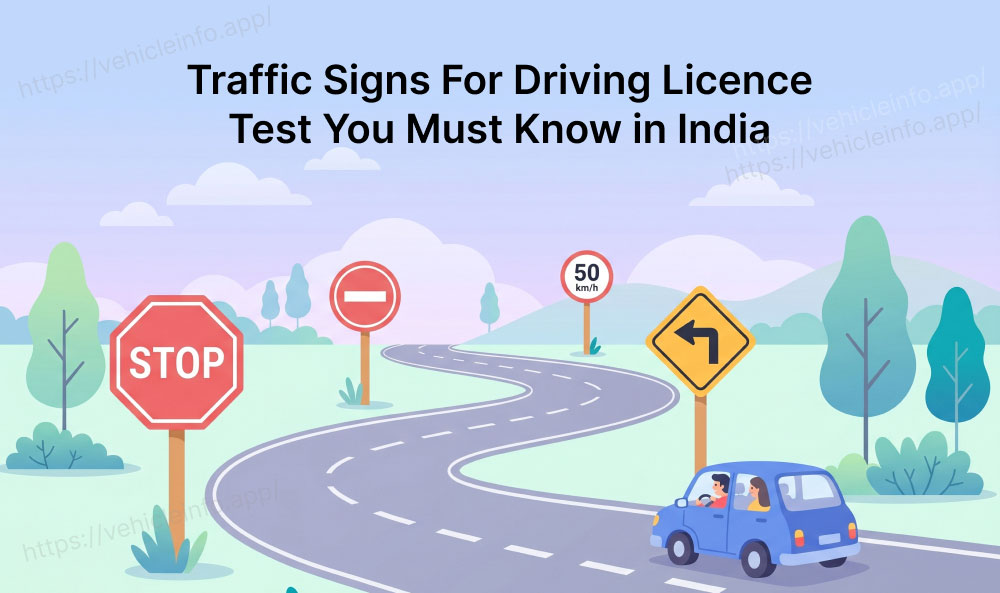
Understand traffic laws, road signs, and signals by studying the driving handbook thoroughly to navigate safely during the test.
Focus Areas
- Right of way rules
- Lane discipline
- Parking regulations
Examiners pay close attention to how well you follow rules not just how you drive.
3. Be Familiar with the Test Route
Acquaint yourself with the test route to anticipate what to expect during the test, reducing anxiety and boosting confidence.
Tips
- Visit the RTO test area beforehand
- Practice common routes
- Learn tricky turns or signals
Familiarity reduces surprises.
4. Stay Calm
Maintain composure during the test by staying focused, taking deep breaths, and visualizing a positive outcome to minimize nervousness.
Avoid
- Stalling
- Sudden braking
- Missing instructions
Staying calm helps you stay in control.
5. Follow the Instructions
Listen attentively to the examiner's instructions and adhere to them closely to avoid errors during the test.
Important Points
- Don’t assume wait for clear instructions
- Ask politely if you didn’t hear something
- Avoid overthinking
6. Check Your Blind Spots
Regularly check blind spots before changing lanes, turning, or merging to ensure safe driving and minimize risks.
Examiners Watch For
- Head movement (not just mirrors)
- Proper observation before turns
- Safe lane changes
7. Use Your Signals
Effectively use turn signals to communicate your intentions to other drivers, enhancing overall safety on the road.
Always Signal When
- Turning
- Changing lanes
- Pulling over
Even a missed signal can cost you marks.
8. Stay within the Speed Limit
Adhere to speed limits indicated by road signs to ensure safe driving and avoid accidents.
Common Mistakes
- Driving too fast due to nervousness
- Driving too slow (can also be penalized)
Maintain a steady and appropriate speed.
9. Be Confident
Believe in your abilities and drive confidently during the test, focusing on executing manual driving techniques proficiently. Confidence enhances your chances of passing the test successfully.
Confidence Shows In
- Smooth gear shifts
- Controlled braking
- Steady steering
Additional Tips to Boost Your Chances
Key Strategies
- Master clutch control and avoid riding the clutch unnecessarily
- Perfect gear shifting at the right RPM
- Practice hill starts using handbrake
- Maintain proper posture and adjust mirrors
Common Mistakes to Avoid
- Stalling the car repeatedly
- Not checking mirrors
- Ignoring traffic signs
- Poor clutch control
- Panic braking
Remember: Examiners look for safe driving, not perfection.
What Examiners Look For
- Vehicle control
- Awareness of surroundings
- Decision-making ability
- Confidence and calmness
- Rule compliance
If you demonstrate these consistently, you’re likely to pass.
FAQs
1. Is a manual driving test harder than an automatic one?
Ans: Yes, manual driving tests are generally more challenging because they require coordination between clutch, gears, and accelerator.
2. How much practice is needed to pass a manual driving test?
Ans: It depends on the individual, but most learners need 15–30 hours of practice to feel confident.
3. What is the most common reason for failing the test?
Ans: Common reasons include stalling, not checking mirrors, and failing to follow instructions.
4. Can I pass the test on my first attempt?
Ans: Yes, with proper preparation, practice, and confidence, many candidates pass on their first try.
5. Do I lose marks for stalling the car?
Ans: Occasional stalling may be acceptable, but repeated stalling can lead to failure.
6. How can I stay calm during the test?
Ans: Practice regularly, take deep breaths, and focus on one step at a time instead of overthinking.
Final Thoughts
Passing a manual driving test may seem difficult at first, but with consistent practice and the right mindset, it becomes much easier. The key lies in preparation, awareness, and confidence.
Focus on building strong fundamentals, stay calm during the test, and trust your training. Once you clear the test, you’ll not only earn your license but also gain a valuable life skill that offers independence and convenience.