Electric vs Petrol Cars: A Comprehensive Comparison | Vehicleinfo
17 February, 2025
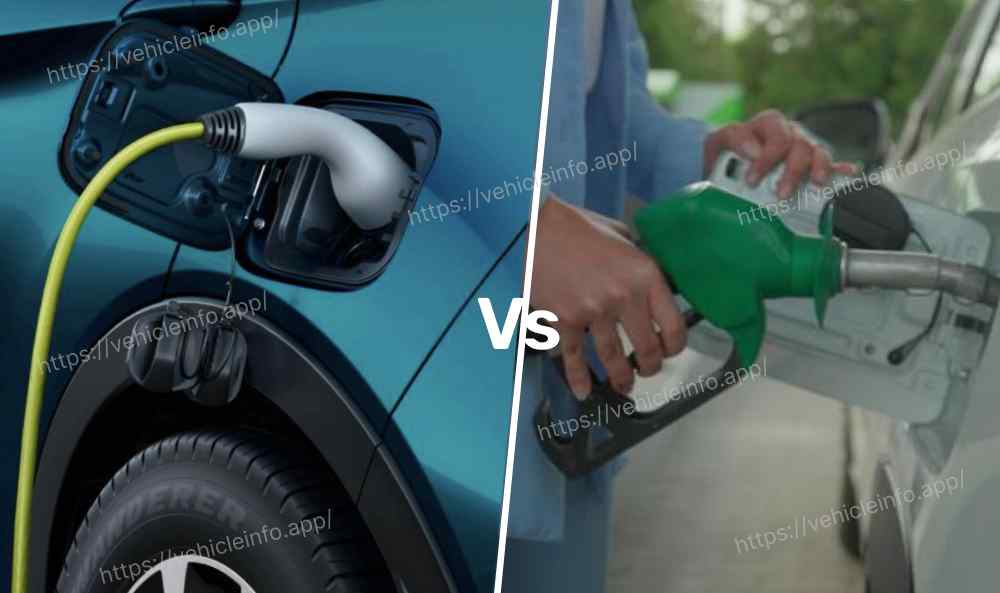
The debate between electric vs petrol cars has intensified in recent years as governments, manufacturers, and consumers shift towards sustainable and energy-efficient solutions. As technology advances, electric vehicles (EVs) are becoming more viable alternatives to traditional petrol-powered cars. In this article, we will analyze the key differences between electric and petrol cars, covering aspects such as performance, cost, environmental impact, and long-term viability.
1. Performance and Driving Experience
Electric Cars: Instant Torque and Smooth Acceleration
Electric cars are known for their instant torque, providing immediate acceleration without the need for gears. This results in a smoother and quieter driving experience compared to petrol cars. The absence of an internal combustion engine (ICE) reduces vibrations and enhances comfort, making EVs a preferred choice for urban driving.
Petrol Cars: Traditional Power and Familiarity
Petrol cars, on the other hand, offer a traditional driving feel with an engaging throttle response. While they do not provide instant torque like EVs, modern petrol engines are highly refined and deliver high-speed performance. For long-distance driving, petrol engines are still preferred due to their ability to refuel quickly and maintain consistent power at high speeds.
2. Cost of Ownership and Maintenance
Initial Purchase Price
Electric cars tend to have a higher upfront cost due to expensive battery technology. However, government incentives and tax credits in many countries help offset this cost, making EVs more attractive.
Petrol cars, being mass-produced for over a century, are generally more affordable upfront. The wide availability of models at different price points makes them accessible to a larger audience.
Running Costs
Electric Cars: EVs have significantly lower running costs as electricity is cheaper than petrol. Charging an EV at home or using public charging stations can save substantial amounts over time.
Petrol Cars: Fuel prices fluctuate based on global oil markets, making petrol cars less predictable in terms of running expenses.
Maintenance Costs
Electric Cars: EVs have fewer moving parts, meaning less wear and tear. They do not require oil changes, exhaust system repairs, or complex transmission maintenance, leading to lower overall costs.
Petrol Cars: Petrol engines involve higher maintenance due to frequent servicing, oil changes, and engine component replacements. Over time, these costs add up, making petrol cars more expensive to maintain.
3. Environmental Impact
Electric Cars: A Greener Alternative
Electric cars produce zero tailpipe emissions, reducing air pollution significantly. They contribute to a cleaner environment, especially when charged using renewable energy sources like solar or wind power. However, battery production and disposal remain challenges, as mining for lithium and other minerals impacts ecosystems.
Petrol Cars: Carbon Emissions and Pollution
Petrol cars emit CO2 and other greenhouse gases, contributing to climate change and air pollution. The burning of fossil fuels releases harmful substances such as nitrogen oxides and particulate matter, which negatively impact health and the environment.
4. Charging vs Refueling
Charging an Electric Car
Charging infrastructure is rapidly improving, but it still lags behind petrol refueling stations. EVs can be charged at home, workplace stations, or public fast chargers. Charging times vary:
- Level 1 (Slow Charging): 8-12 hours
- Level 2 (Faster Home Charging): 4-6 hours
- DC Fast Charging: 30-60 minutes to 80%
Refueling a Petrol Car
Petrol cars have a clear advantage in terms of refueling speed. A full tank can be replenished in under 5 minutes, making petrol cars more convenient for long-distance travel without range anxiety.
5. Driving Range and Battery Life
Electric Cars: Range Anxiety Challenges
While battery technology is improving, range anxiety remains a concern for EV owners. Most electric cars offer a range of 150-400 miles per charge, depending on the model. However, advancements in battery technology are extending these limits, making EVs more practical for daily and long-distance use.
Petrol Cars: Longer Range and Convenience
Petrol cars typically have a range of 300-600 miles per tank, making them ideal for long-distance travel. The ease of refueling at any gas station adds to their convenience, especially in regions where EV charging stations are scarce.
6. Government Incentives and Regulations
Governments worldwide are promoting electric vehicle adoption through incentives such as:
- Tax credits and rebates
- Subsidized charging stations
- Exemptions from road tax and congestion charges
In contrast, many countries are implementing stricter emission regulations on petrol vehicles, pushing automakers towards electrification.
7. Longevity and Resale Value
Electric Cars: Battery Degradation Concerns
EV batteries degrade over time, leading to reduced range. However, modern EV batteries last 8-15 years, and manufacturers offer extensive warranties (often 8 years or 100,000 miles). Resale values depend on battery condition and replacement costs.
Petrol Cars: Traditional Longevity
Petrol cars have an established resale market, and well-maintained engines can last 15-20 years. However, increasing restrictions on fossil fuel vehicles may reduce their future resale value.
Conclusion: Which One Should You Choose?
The choice between an electric or petrol car depends on individual needs and priorities. If you seek lower running costs, environmental benefits, and smooth driving, an electric vehicle is the best option. However, if convenience, long-distance travel, and affordability matter more, a petrol car remains a strong contender.
As technology advances, EVs are becoming more practical and affordable, signaling a shift towards a greener future. Before making a decision, consider factors such as charging infrastructure, government incentives, and your driving habits.