Why Vintage Bike Owners Need Specialised Insurance Coverage
16 December, 2025
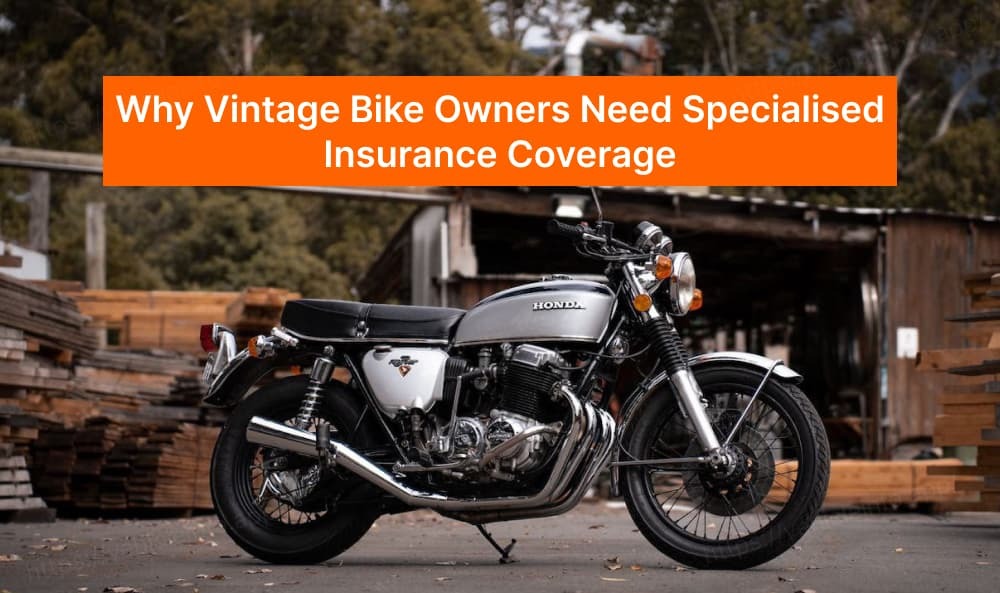
Vintage motorcycles have a timeless appeal that modern machines rarely match. From hand-finished chrome to engines built in a different era, these bikes represent history, craftsmanship, and passion. Owning a vintage bike is not just about riding-it is about preservation. Because of this, insurance requirements for vintage bikes are very different from those of regular motorcycles.
Standard two-wheeler insurance is designed for daily-use, mass-produced bikes. Vintage bikes, however, come with unique risks, values, and responsibilities that require a more specialised approach.
What Makes a Vintage Bike Different?
To understand why insurance needs change, it helps to look at how vintage bikes differ from modern motorcycles.
Age and Rarity
Most vintage bikes are several decades old. Original parts are limited or no longer manufactured, and their value is often linked to originality, historical significance, and condition rather than resale market trends.
Higher Restoration Costs
Repairs often require skilled craftsmen and specialised workshops. Authentic parts may need to be sourced internationally, increasing both cost and repair time.
Unique Risk Factors
Vintage bikes face risks such as theft of rare components, damage during long-term storage, corrosion, and deterioration due to age. These risks are not always considered in standard insurance plans.
Value Beyond Depreciation
Unlike modern bikes, many vintage motorcycles maintain or even increase their value over time. Their worth depends on maintenance records, restoration quality, and originality-not just age-based depreciation.
Limitations of Standard Bike Insurance
Conventional bike insurance policies work well for modern vehicles but often fall short for vintage motorcycles.
Inadequate Valuation
Insurance value is usually calculated based on depreciation, which can significantly undervalue a vintage bike and ignore restoration investments.
Replacement with Non-Authentic Parts
After damage, standard policies may allow replacement with generic parts. This can negatively impact a vintage bike’s authenticity and long-term value.
High Depreciation on Parts
Older components may be heavily depreciated in claim settlements, leaving owners with large out-of-pocket restoration expenses.
Limited Coverage Options
Specialised features such as agreed value coverage, protection for rare parts, or restoration-related expenses are often unavailable.
Documentation Challenges
Older registration formats or missing historical paperwork can complicate policy renewals and claims.

What Suitable Insurance for Vintage Bikes Should Include
Insurance tailored to vintage motorcycles should address their unique characteristics and risks.
Agreed Value Protection
A pre-decided value between the owner and insurer ensures fair compensation in case of theft or total loss.
Coverage for Authentic Parts
Insurance should allow repairs using original or period-correct components to maintain historical accuracy.
Access to Specialist Repairs
Workshops experienced in vintage motorcycles help preserve mechanical integrity and visual authenticity.
Relevant Add-On Covers
Coverage may be required for theft of individual parts, damage during transport, storage-related risks, fire, flood, and personal accident protection.
Support for Proper Documentation
Detailed maintenance records, photographs, and restoration invoices help establish value and speed up claim processing.
Flexible Usage Conditions
Many vintage bikes are used occasionally for events or leisure rides. Insurance should reflect limited usage rather than daily commuting.
Common Challenges for Vintage Bike Owners
Even with suitable insurance, owners should be aware of potential challenges:
- Higher premiums due to rarity and restoration costs
- Difficulty sourcing original parts despite coverage
- Delays in repairs caused by specialist requirements
- Claim disputes if documentation is incomplete or unclear
- Reduced payouts for poorly maintained or heavily modified bikes
Being prepared helps minimise these issues.
Practical Tips for Insuring a Vintage Bike
- Maintain detailed records of restoration and maintenance
- Photograph the bike regularly to document condition
- Obtain professional valuation to support insured value
- Choose coverage options based on actual usage and storage conditions
- Review insurance annually as the bike’s value and condition change
- Read policy terms carefully to understand exclusions and limitations
Conclusion
Vintage bikes are more than old motorcycles-they are moving pieces of history. Their age, rarity, and restoration needs mean they face risks that standard insurance policies are not designed to handle.
Choosing insurance that reflects the true nature of a vintage bike helps protect not just against accidents or theft, but against loss of heritage and value. With the right understanding and preparation, vintage bike owners can ensure their classic machines remain protected for years to come.