9 Proven Tips to Lower Your Bike Insurance Premium in 2025
22 January, 2025
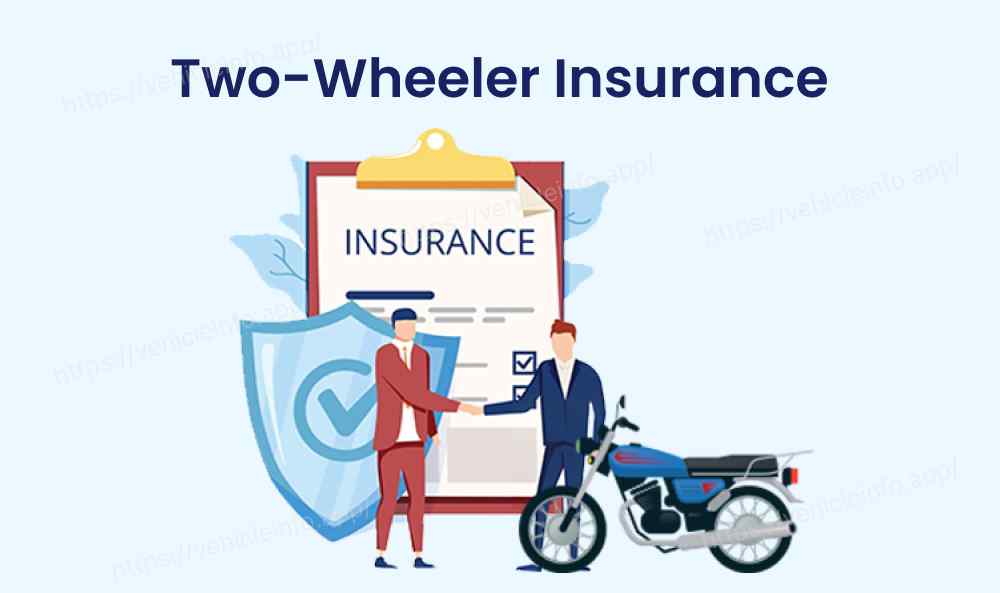
Two-wheeler insurance is not only a legal requirement but also a necessary protection for your bike. However, bike insurance premiums have been on the rise, and many bike owners are searching for ways to lower their premium rates. This guide will provide you with 9 practical tips to help reduce your two-wheeler insurance premium in 2025, solve common issues, and ensure that you’re getting the best deal possible. Whether you're looking for cost-cutting tips or just trying to maximize your savings, these strategies will help you reduce your insurance costs without compromising on coverage.
1. Opt for a Higher Deductible to Lower Premiums
One of the easiest ways to lower your two-wheeler insurance premium is by choosing a higher deductible. The deductible is the amount you pay out-of-pocket in case of a claim. By opting for a higher deductible your insurer will lower your monthly premium because you’re taking on more of the financial responsibility in the event of an accident.
Pro Tip: Make sure that the deductible you choose is an amount you're comfortable paying in case of a claim. For low-risk riders, this can be an effective way to save money.
Also Read: Bike Insurance Benefits: Why It’s Essential for Every Rider
2. Leverage No Claim Bonus (NCB) for Discounted Premiums
One of the best ways to save on bike insurance premiums is by using the No Claim Bonus (NCB). This is a reward for riders who do not file any claims during the policy term. If you’ve gone claim-free for a year, you can get a significant discount on your renewal premium (up to 50%).
Tip for NCB: Always check your insurer’s NCB eligibility and ensure you don't miss out on it at the time of renewal. You can also transfer your NCB to a new insurer if you decide to switch providers.
3. Install Anti-Theft Devices to Qualify for Discounts
Many bike insurance companies offer discounts if you equip your bike with anti-theft devices. This can include GPS trackers, immobilizers, or alarm systems. Not only does this make your bike less prone to theft, but it also signals to your insurer that your bike is less risky, which can help lower your insurance costs.
How this helps: A more secure bike means lower risk and as a result, lower premiums. It’s an easy investment that pays off in the long run.
Also Read: Bike Insurance : get detail about your all queries.
4. Choose the Right Bike Insurance Policy for Your Needs
When it comes to bike insurance, it’s crucial to choose the policy that matches your needs and your bike’s value. Third-party bike insurance may be cheaper, but it only covers third-party liabilities and doesn’t protect your own bike. For more comprehensive coverage own damage insurance or comprehensive insurance can be a better choice, especially for expensive bikes or bikes with advanced features.
Pro Tip: If your bike is older or doesn’t have a high market value, third-party insurance may be enough. However, for newer or more valuable bikes, it’s worth investing in comprehensive or own damage bike insurance to avoid future financial strain.
5. Pay Annually Instead of Monthly
Many bike owners don’t realize that paying your premium annually instead of monthly can help you save money. Monthly payments are often subject to additional service charges and interest. By paying your premium in full at once, you can save on hidden costs and avoid paying extra interest charges.
6. Compare Insurance Quotes Before Renewal
Before renewing your two-wheeler insurance, take the time to compare bike insurance quotes from different providers. Online platforms make it easy to compare the cost, coverage, and additional benefits across multiple insurance companies. By evaluating multiple quotes, you can ensure you’re getting the best value for your money.
Tip: Don’t just look at the premium cost – evaluate coverage customer service and any discounts or add-ons available.

7. Maintain a Clean Riding Record
Having a clean riding record can make a huge difference in the cost of your two-wheeler insurance. Insurance providers reward riders who have no traffic violations or accidents with lower premiums. If you’ve consistently followed traffic rules and have a safe riding history, insurers see you as less risky which translates into premium discounts.
Pro Tip: Make sure that the deductible you choose is an amount you're comfortable paying in case of a claim. For low-risk riders, this can be an effective way to save money.
8. Bundle Your Insurance Policies for Extra Savings
If you have multiple insurance policies, such as car insurance, home insurance, or health insurance, consider bundling them together with the same provider. Many insurers offer multi-policy discounts, which can significantly reduce the cost of your two-wheeler insurance premium.
Why bundle? It simplifies the management of your policies and helps you save money across the board. Make sure to ask your insurer about available discounts for bundling.
9. Evaluate Your Bike’s Age and Insured Declared Value (IDV)
The age of your bike and its Insured Declared Value (IDV) play a major role in determining your premium. As your bike gets older, the IDV decreases, which in turn reduces the cost of insurance. If you own an older bike, re-evaluating your insurance coverage is essential. Adjusting your IDV can help you avoid overpaying for coverage that no longer matches the actual market value of your bike.
Pro Tip: If your bike is older and doesn’t need comprehensive coverage anymore, consider opting for third-party bike insurance to save on premiums.
You can also check Vehicle Owner Details and Vehicle Report at vehicleinfo.
Conclusion: Maximize Savings Without Compromising Coverage
Lowering your two-wheeler insurance premium doesn’t have to be complicated. By following these 9 easy tips, you can reduce your bike insurance costs in 2025 while maintaining the level of coverage you need. Whether you’re optimizing your policy coverage, taking advantage of discounts, or using anti-theft devices, every action you take can help you save money on your premium.
Additional Resources:
- Importance of Timely Bike Insurance Renewal – Learn why renewing your insurance on time is crucial for avoiding premium hikes and maintaining continuous coverage.
- How Location Impacts Bike Insurance Rates –Discover how your location affects your premium and how to manage it for better savings.
By following these tips and making the most of discount opportunities, you can keep your two-wheeler insurance premium under control and enjoy the peace of mind that comes with being properly insured