Understanding Mandatory Traffic Signs in India
24 December, 2024
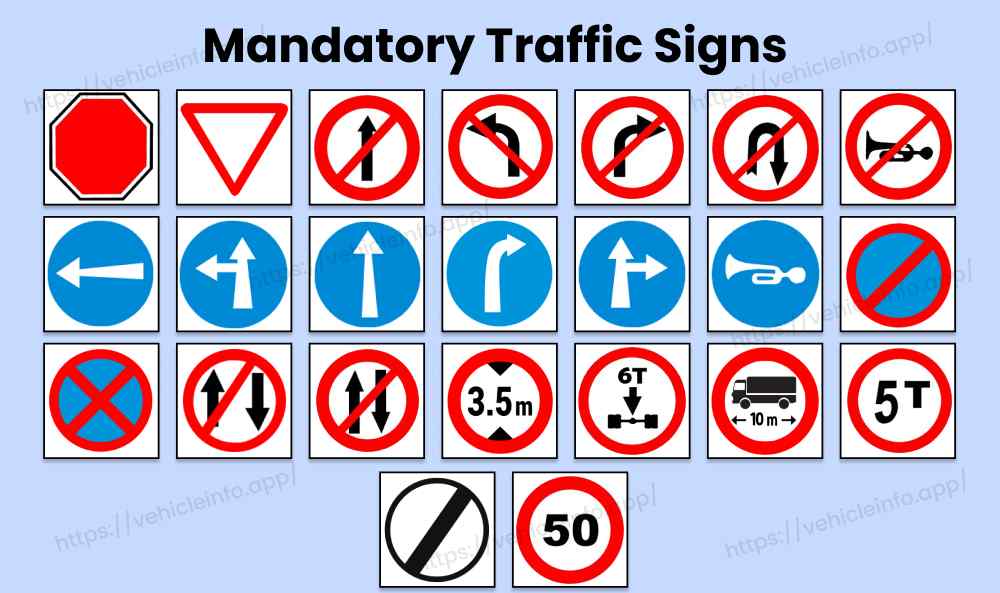
Mandatory Traffic Signs
In India following mandatory traffic signs is crucial for ensuring road safety and preventing accidents. These signs must be obeyed without exception. The Roadways and Traffic Department has the authority to issue penalties to drivers who fail to comply with these signs.
It’s important to note that 'Stop' and 'Give Way' signs are exceptions in this category distinguished by their unique shapes.

These signs include instructions that all road users must follow to maintain traffic order and safety.
No. |
Traffic Sign |
Traffic Symbol |
|---|---|---|
1. |
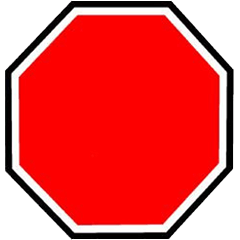
Stoppurpose Drivers should stop immediately upon seeing this. |
|
2. |
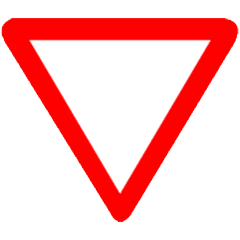
Give Waypurpose:This indicates that traffic should yield to vehicles coming from the right. |
 |
3. |
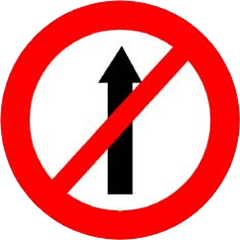
No Entrypurpose:Indicates a restricted or no-entry area for traffic. |
|
4. |
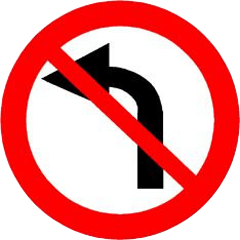
Left Turn Prohibitedpurpose: Warns the driver not to make a right turn. |
|
5. |
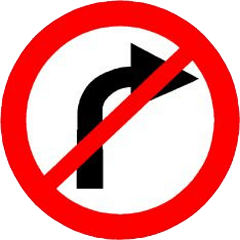
Right Turn Prohibitedpurpose: Warns the driver not to make a right turn. |
|
6. |
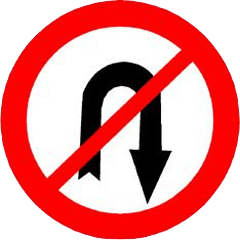
U-turn Prohibitedpurpose: This sign indicates that the driver is not allowed to make a U-turn on the road. |
|
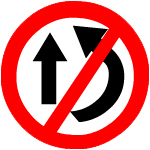
7. |
Over-taking Prohibitedpurpose: Warns the driver about overtaking restrictions. |
|
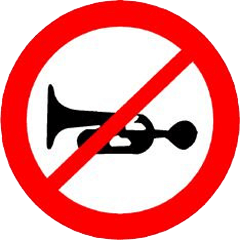
8. |
Horns Prohibitedpurpose: This traffic sign in India indicates honking restrictions. |
|
9. |
Compulsory Turn Leftpurpose: Indicates that only a left turn is allowed. |

|
10. |
Compulsory Ahead or Turn Left Onlypurpose: One may either proceed straight or turn left only. |

|
11. |
Compulsory Ahead Onlypurpose: This indicates that traffic should proceed straight only. |

|
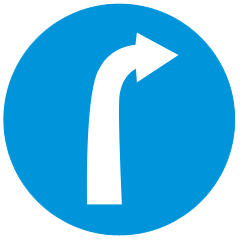
12. |
Compulsory Turn Right Onlypurpose: Indicates that only a right turn is allowed. |
|
13. |
Compulsory Ahead or Turn Right Onlypurpose: One may either proceed straight or turn right only. |

|
14. |
Compulsory Keep Leftpurpose: Indicates that the driver should stay in the left lane only. |

|
15. |
Compulsory Sound Hornpurpose: Indicates that honking is mandatory. |

|
16. |
No Parkingpurpose: Vehicles are not allowed to park in areas marked with this sign. |

|
17. |
No Stopping or Standingpurpose: Neither vehicles nor individuals are permitted to stop at locations marked with this sign. |

|
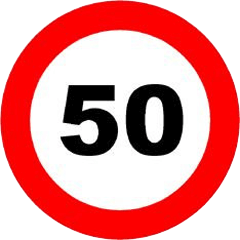
18. |
Speed Limitedpurpose: Adhering to the specified speed limit is essential. |
|
19. |
One Waypurpose: Indicates that traffic from the right side is permitted. |
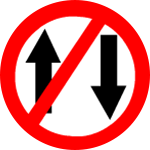
|
20. |
No Way Both Directionspurpose: Prohibits vehicles in both directions. |
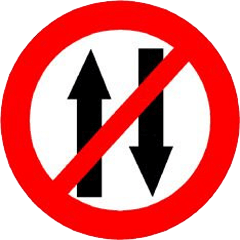
|
21. |
All vehicles prohibitedpurpose: All vehicles prohibited |
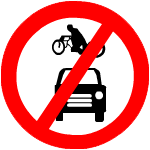
|
22. |
Pedestrian Prohibitedpurpose: Indicates a restriction on pedestrian walking. |
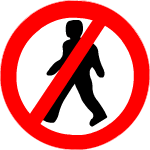
|
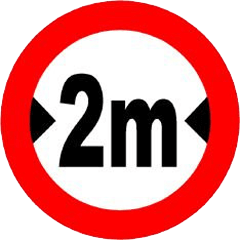
23. |
Width Limitpurpose: Indicates the maximum vehicle width allowed to enter the zone beyond this point. |
|
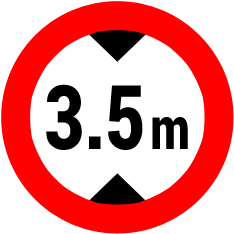
24. |
Height Limitpurpose: Indicates the maximum vehicle height allowed to enter the zone beyond this point. |
|
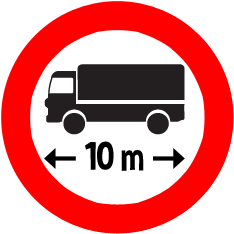
25. |
Length Limitpurpose: Indicates the maximum vehicle length allowed to enter the zone beyond this point. |
|
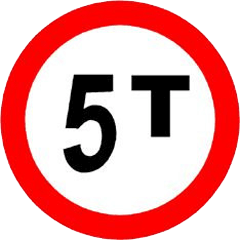
26. |
Load Limitpurpose: Indicates the maximum vehicle weight allowed on the road beyond this point. |
|
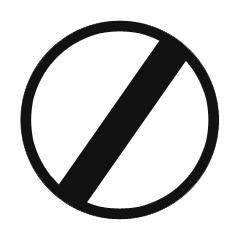
27. |
Restriction Endspurpose: Indicates that all restrictions end here. |
|
Mandatory traffic signs in India play a vital role in ensuring road safety and preventing accidents. It is essential for all road users to strictly adhere to these signs as failure to comply can lead to penalties. While signs like 'Stop' and 'Give Way' are exceptions due to their unique shapes the overall purpose of these signs is to maintain order and ensure the smooth flow of traffic ultimately protecting lives and reducing risks on the roads.