The Motor Vehicles Act: A Comprehensive Overview
28 January, 2025
The The Motor Vehicles Act is a landmark legislation enacted by the Parliament of India to regulate all aspects of road transport vehicles. This Act lays down the legal framework for licensing drivers and conductor, registering motor vehicles, controlling vehicle permits, and ensuring traffic regulation. It also includes provisions for state transport undertakings, insurance, liability, offences, penalties, and road safety. To enforce the provisions of this Act effectively, the Government of India introduced the Central Motor Vehicles Rules, 1989.
This legislation has significantly influenced road transport in India by addressing critical issues like licensing and vehicle registration, traffic violations, and insurance requirements. Its importance has only grown with time, reflecting the need for robust regulation in a rapidly modernizing nation.
Purpose of the Motor Vehicles Act
The Motor Vehicles Act was introduced to address the challenges posed by the increasing number of vehicles in India. With the automotive industry evolving and technological advancements becoming more prevalent, there was a pressing need for updated regulations to ensure public safety, reduce traffic violations, and standardize vehicle standards.
Also Read: The Indian Motor Vehicle Act: Learn everything there is to know about it.
Key objectives of the Act include:
- Enhanced Regulation of Drivers and Vehicles: Stricter protocols for issuing driving licenses and improved systems for vehicle registration.
- Promotion of Road Safety: Establishing standards for vehicle components and implementing measures to reduce accidents.
- Pollution Control: Setting guidelines to ensure environmentally friendly practices in the automotive sector.
- Efficient Tracking of Violations: Ensuring that traffic offenders face stricter penalties to deter violations.
- Encouraging Technological Integration: Facilitating the adoption of advanced technologies in the transportation sector.
Additionally the Act liberalized the granting of permits for goods-carrying vehicles and rationalized definitions of vehicle types. This comprehensive approach has made the Motor Vehicles Act a cornerstone of India's transport legislation.
Historical Development and Amendments
The evolution of motor vehicle legislation in India has been shaped by a series of enactments and amendments over more than a century.
The Indian Motor Vehicles Act, 1914
The first legislation addressing motor vehicles, the Indian Motor Vehicles Act, 1914, was enacted during British rule. It introduced regulations for vehicle registration, licensing, and compliance with traffic rules. The Act placed the responsibility for enforcement on local governments. Over time, the need for more detailed regulations led to amendments in 1920 and 1924, which introduced additional provisions for vehicle permits and the duration of licenses.
The Motor Vehicles Act, 1939
The Motor Vehicles Act, 1939 replaced the earlier Act and introduced comprehensive provisions to address the growing use of motor vehicles. This Act included measures for traffic regulation, public safety, and vehicle control. However, as the transportation landscape evolved, the need for a more modern framework became evident.
The Motor Vehicles Act, 1988
Replacing the 1939 Act, the Motor Vehicles Act, 1988, came into force on 1st July 1989. This Act introduced detailed provisions for driver licensing, vehicle registration, permits, traffic regulation, insurance, and penalties. It also mandated third-party insurance for all vehicles, ensuring financial protection for victims of road accidents.
Key Provisions of the Motor Vehicles Act
- Definitions and Coverage: The Act defines a motor vehicle as any mechanically propelled vehicle adapted for use on roads, regardless of whether its propulsion comes from an internal or external source. This broad definition ensures that a wide range of vehicles falls under the regulatory framework.
- Compulsory Insurance: Vehicle owners are mandated to insure their vehicles against third-party risks. This provision safeguards victims of road accidents and provides financial relief in the event of damages or injuries.
- Accident Claims: Victims' families are entitled to interim relief of up to ₹5 00 000 for fatal accidents, with no upper limit for compensation claims. These cases are adjudicated by the Motor Accident Claims Tribunal.
- Road Transport and Safety: The Act emphasizes road safety and includes measures to curb traffic violations. For instance, the 2019 amendment introduced stricter penalties for offences like speeding, driving under the influence, and using mobile phones while driving.

Recent Amendments
The Motor Vehicles (Amendment) Act, 2019
The 2019 amendment marked a significant update to the Act. It introduced higher penalties for traffic offences, aimed at reducing accident rates and ensuring better compliance with road safety rules. Notable features include:
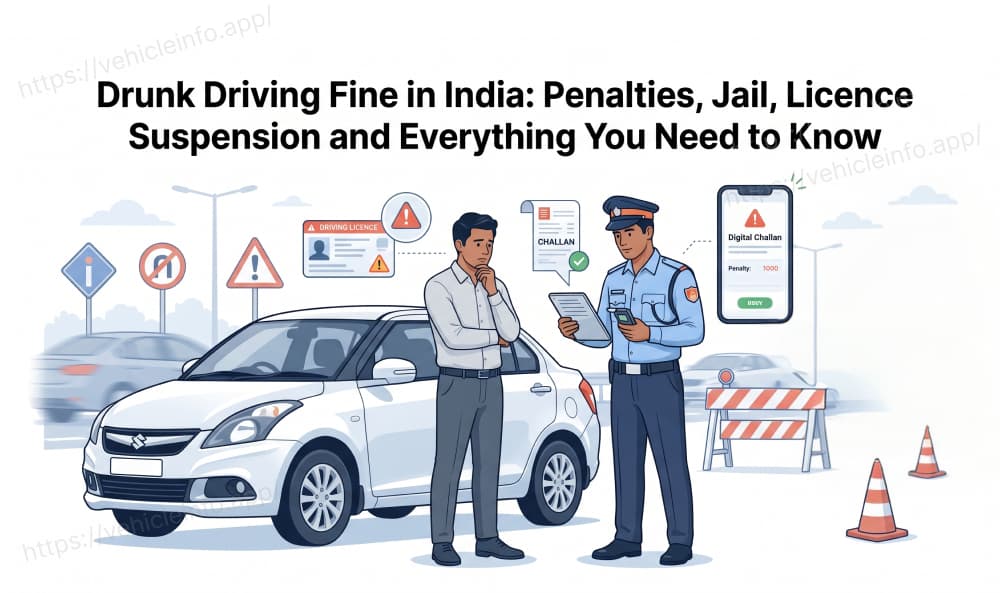
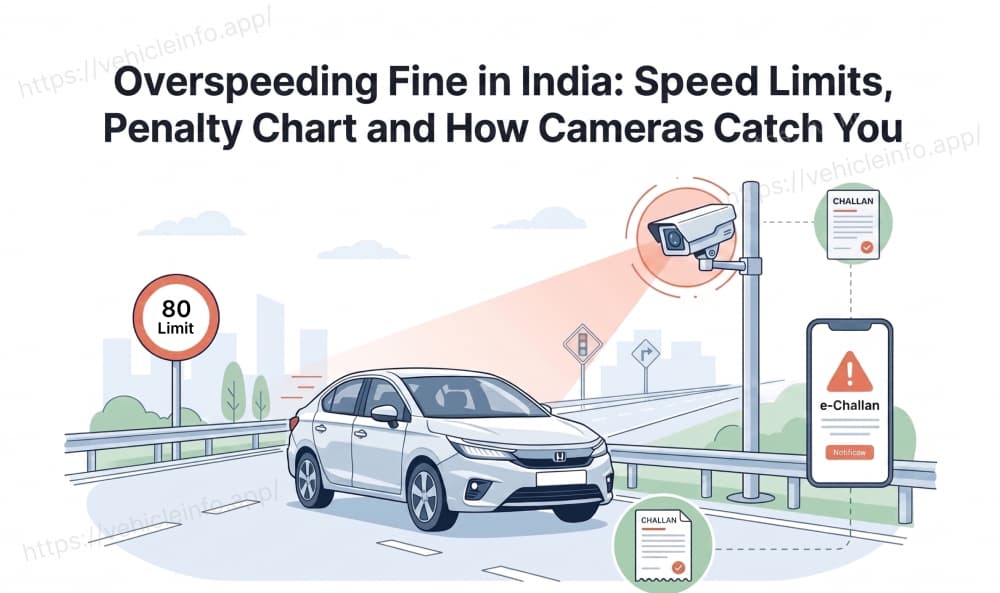
- Harsher Penalties: Increased fines for violations like overspeeding drunk driving, and seatbelt non-compliance.
- Mandatory Third-Party Insurance: Ensuring all vehicles are covered.
- Technological Integration: Use of body cams for traffic enforcement officers to curb corruption.
The Road Transport and Safety Bill, 2014
This bill, envisioned as a precursor to the 2019 amendment, aimed to create a safer and more inclusive transport framework. Although it did not pass, many of its provisions influenced subsequent legislation.
Challenges and Controversies
Despite its significance, the Motor Vehicles Act has faced challenges and controversies. Some states, like Tamil Nadu and West Bengal, opposed provisions of the Act, citing concerns about central overreach and hefty fines. Transport unions also protested against certain amendments, calling for revisions to ensure affordability and fairness.
Impact on Road Transport
The Motor Vehicles Act has improved road safety, standardized vehicle components, and boosted the automotive industry's growth. By liberalizing permits, it has facilitated economic activity and ensured financial protection for accident victims through mandatory insurance provisions.
The Motor Vehicles Act remains pivotal in regulating India's road transport system. Further amendments are essential to address emerging challenges like electric vehicles and autonomous technologies, ensuring its continued relevance in a modernizing nation.