Common Bike Insurance Claims Rejected: How to Avoid Them
09 February, 2025
Filing a Bike Insurance claim can be stressful, especially if it gets rejected. Understanding the common reasons for claims rejection can help you avoid these pitfalls and ensure a smoother claim process. This blog explores frequent bike insurance issues leading to rejected claims and offers practical tips on how to prevent rejection.
1. Inaccurate or Incomplete Information
- The Problem: Providing incorrect or missing information on the claim form is a major reason for rejection. This includes discrepancies in the policy details, vehicle information, or accident description.
- The Solution: Double-check every detail on the claim form before submitting it. Ensure all information matches your policy documents and the actual incident. Honesty is paramount.
2. Policy Lapses or Expiry
- The Problem: Submitting a claim after your bike insurance policy has expired is a surefire way to get it rejected.
- The Solution: Renew your bike insurance policy well before the expiry date. Set reminders to avoid any lapses in coverage. Don't assume you're covered if you're not.
3. Driving Without a Valid License
- The Problem: If the person riding the bike at the time of the incident did not have a valid driving license, the claim is likely to be rejected.
- The Solution: Ensure that anyone riding your bike has a valid and appropriate driving license. This is not just for insurance purposes; it's a legal requirement.
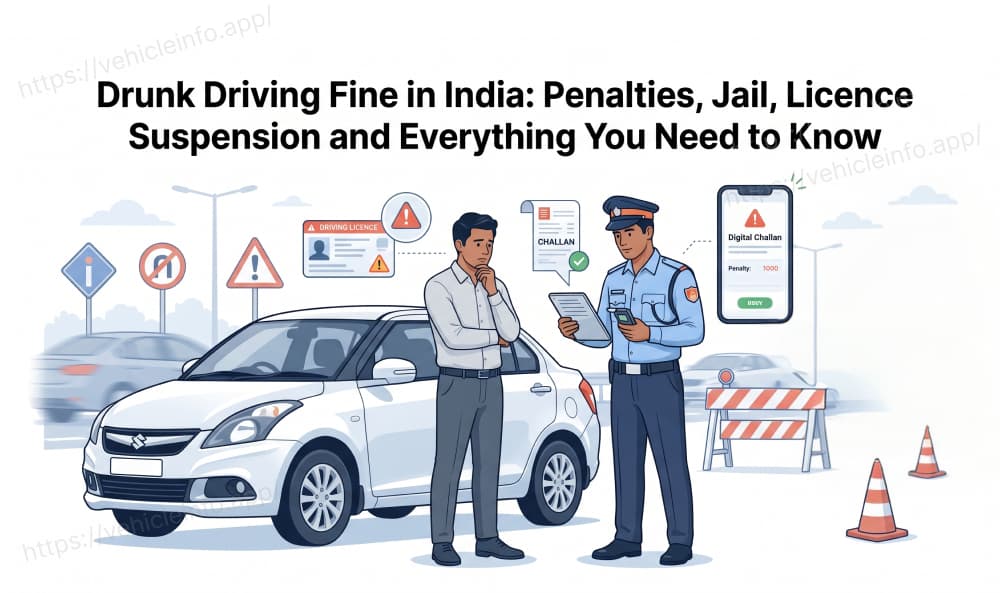
4. Driving Under the Influence
- The Problem: Riding under the influence of alcohol or drugs is a serious offense and will almost certainly lead to claim rejection.
- The Solution: Never ride under the influence of any substance that impairs your judgment or abilities. This is crucial for your safety and the validity of your insurance.

5. Excluded Perils
- The Problem: Your policy might not cover certain perils, such as consequential damage (damage resulting from a previous issue), or damage caused by specific events like war or nuclear risks.
- The Solution: Carefully read your policy document to understand what is covered and what is excluded. If you have questions, contact your insurer for clarification.
6. Delay in Reporting the Incident
- The Problem: Failing to report the incident to your insurance company promptly can lead to suspicion and potential claim rejection.
- The Solution: Contact your insurer as soon as possible after the incident, ideally within 24 hours. The sooner you report, the smoother the process will be.
7. Misrepresentation of Facts
- The Problem: Providing false or misleading information about the incident or the extent of the damage is considered fraud and will result in claim rejection.
- The Solution: Be completely honest and transparent in your communication with the insurance company. Attempting to deceive them will only backfire.
8. Lack of Evidence
- The Problem: Insufficient evidence to support your claim, such as photographs, police reports, or repair estimates, can weaken your case.
- The Solution: Gather as much evidence as possible after an incident. This includes taking photos of the damage, obtaining a police report if necessary, and getting repair estimates from authorized garages.
Also Read: Find the Best Bike Insurance for Your Needs
9. Unauthorized Repairs
- The Problem: Getting your bike repaired before the surveyor has assessed the damage can lead to claim rejection.
- The Solution: Wait for the insurance company to appoint a surveyor before you begin any repairs. Unauthorized repairs can complicate the claims process.
10. Using the Bike for Commercial Purposes (if not covered)
- The Problem: If your policy is for personal use, but you use the bike for commercial purposes (e.g., as a delivery vehicle) and have an accident, your claim might be rejected.
- The Solution: Ensure you have the correct type of policy for how you use your bike. If you use it for commercial purposes, you'll need a commercial policy.
Also Read: How to Claim Bike Insurance in India
By understanding these common reasons for claims rejection, you can take proactive steps to avoid these issues and increase the likelihood of a successful claim. Reading your policy document thoroughly, being honest and transparent, and acting promptly are key to preventing bike insurance issues and ensuring your claim is processed smoothly. Remember, prevention is always better than cure when it comes to rejected claims.